For residents of Northbrook, IL, dealing with addiction or mental health issues can feel overwhelming, especially when balancing responsibilities like work, family, or education. Fortunately, treatment options have evolved to provide more flexible solutions that don’t require sacrificing one’s daily life. A partial hospitalization program, commonly known as PHP, is one such solution. This structured and intensive treatment model offers medical and therapeutic support during the day while allowing patients to return home each evening.
Northbrook residents often choose PHP because it blends professional care with personal freedom. It sits between inpatient and outpatient levels of care, making it ideal for individuals who need more structure than weekly therapy sessions but do not require round-the-clock supervision. Those transitioning from a residential program may also find PHP to be a helpful step-down that keeps recovery moving forward while reintroducing daily responsibilities.
PHPs in Northbrook and the greater Illinois region are tailored to meet the community’s needs. With proximity to Chicago and its medical resources, Northbrook residents can access high-quality care without traveling far from home. This convenience makes the process more approachable for individuals who may hesitate to seek help due to travel constraints or time commitments.
How a PHP Rehab Schedule in Illinois Supports Recovery
One of the key benefits of a PHP rehab schedule in Illinois is its consistency. A structured schedule provides a strong foundation for healing, which is essential for individuals managing addiction, mood disorders, or dual diagnoses. Unlike residential programs, where individuals stay onsite 24/7, PHPs typically operate five to seven days a week for several hours each day. Patients spend the day participating in various forms of therapy, including individual counseling, group sessions, and sometimes family therapy.
For Northbrook residents, this means having a dependable schedule that reinforces positive habits and routines. A typical day in PHP might begin in the morning with check-ins and progress reviews, followed by therapeutic activities such as cognitive behavioral therapy (CBT), dialectical behavior therapy (DBT), or relapse prevention education. Afternoon sessions may include experiential therapies like art or music, mindfulness exercises, or life skills workshops that support long-term wellness.
This consistency helps individuals transition from chaos to calm. Many people with substance use disorders or mental health challenges struggle with instability in their daily routines. PHP offers the predictability and accountability needed to break that pattern, all while remaining connected to home life. This balance is especially important for those who must keep up with family commitments, childcare, or part-time jobs.
Real-Life Integration for Northbrook Families and Individuals
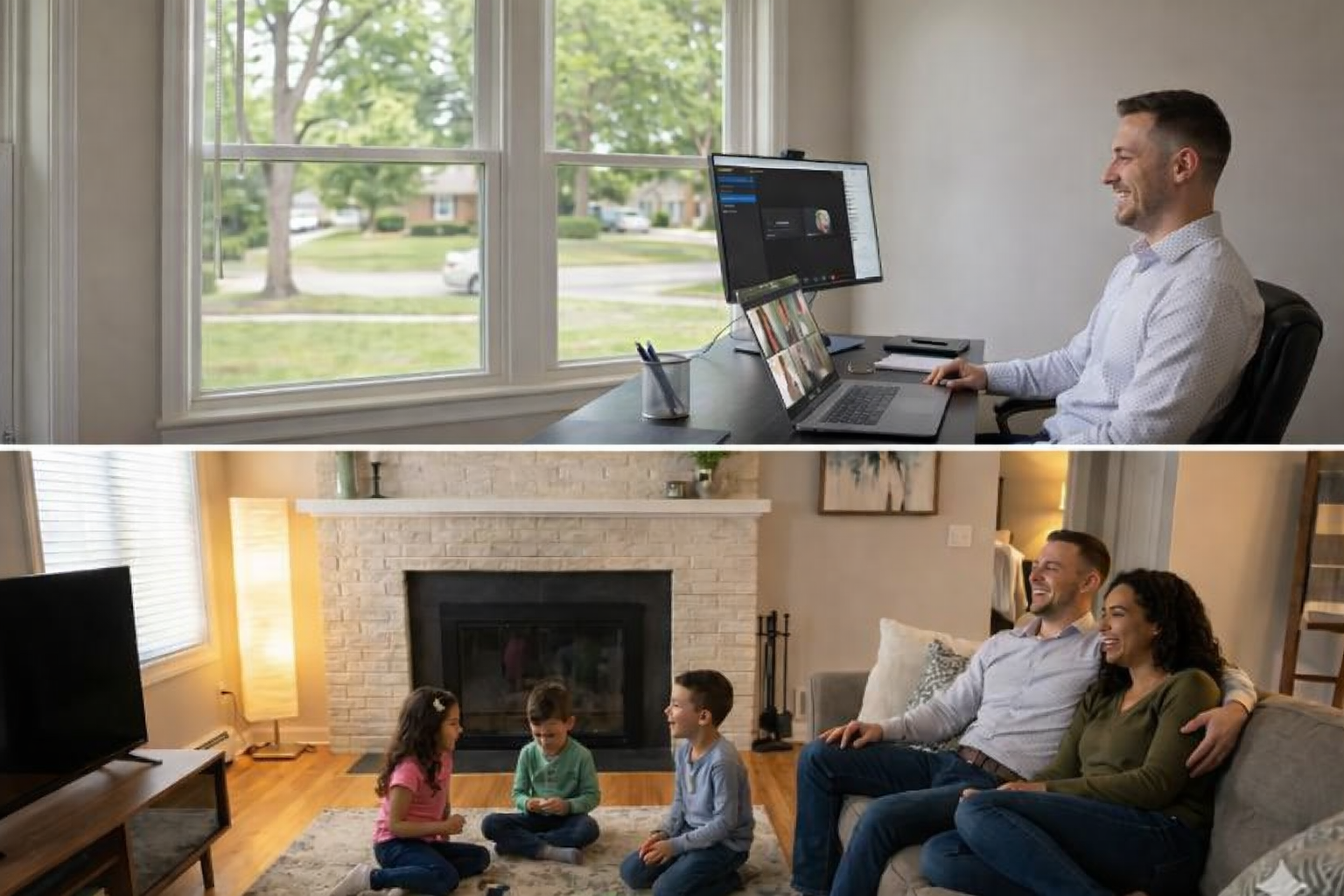
One of the biggest advantages of choosing a partial hospitalization program in Northbrook, IL is how well it integrates into real life. Residents can maintain their roles within their households, continue caregiving duties, or work on rebuilding strained relationships while receiving daily therapeutic support. For many families, this option reduces the stress of complete separation, which is often required in residential programs.
By returning home each evening, patients in PHP have the opportunity to apply what they learn in therapy right away. This real-time feedback loop is powerful. For example, someone who learns new communication strategies during a daytime group session can try them during dinner with family. When they return to PHP the next day, they can reflect on what worked, what didn’t, and why. This creates an ongoing cycle of learning, applying, and refining that accelerates recovery in a real-world context.
It’s also common for PHP programs to encourage involvement from loved ones. Family therapy and education sessions are often part of the curriculum, equipping spouses, parents, and children with tools to understand and support the recovery process. Northbrook residents benefit from these collaborative efforts, which often reduce misunderstandings and improve the household environment.
Additionally, being part of the Northbrook community means access to local services and support groups that complement PHP treatment. From 12-step meetings in nearby churches to fitness programs at local wellness centers, patients can begin to build a healthy lifestyle that supports long-term recovery right in their backyard.
Accessing Structured Addiction Treatment Near Chicago
Northbrook’s proximity to Chicago gives its residents an edge when it comes to accessing structured addiction treatment. While the charm of suburban life offers peace and privacy, being just a short drive from one of the country’s major cities provides access to world-class healthcare providers, specialized therapists, and holistic care options that enhance the treatment experience.
Structured addiction treatment near Chicago typically includes components like medical supervision, psychiatric care, evidence-based therapies, and dual diagnosis support. For individuals who face both substance use and mental health issues, PHPs in the area often have teams equipped to address both simultaneously. This integrative approach leads to more effective outcomes.
Another benefit of being close to Chicago is the availability of transportation options, making it easier for Northbrook residents to commute to and from treatment. Whether traveling by Metra rail, bus, or car, daily attendance becomes more feasible. This convenience means that patients are more likely to stick with the program, improving their chances of recovery.
Moreover, many PHPs near Chicago offer personalized treatment plans, ensuring that care is tailored to each person’s unique history, needs, and goals. For example, a young adult facing anxiety and substance misuse will have different requirements than a parent navigating trauma and prescription drug dependency. Programs in and around Northbrook are well-equipped to adjust accordingly.
Why PHP Works for Northbrook’s Lifestyle
Life in Northbrook is often fast-paced and deeply rooted in family, education, and career. For those facing behavioral health challenges, it can be difficult to find time for treatment without disrupting these priorities. PHP offers a middle path: comprehensive care without the need to pause life entirely.
Northbrook residents who enroll in PHPs can maintain a sense of normalcy. Attending therapy during the day and returning to their own bed at night fosters comfort and autonomy. For many, this results in lower anxiety around treatment, making it easier to engage fully in the recovery process.
PHP also respects the independence of individuals who may not need full residential care but still benefit from daily support. This is particularly valuable for people in the early stages of recovery who want to avoid the triggers and temptations of returning to unstructured life too quickly. With PHP, they can re-enter the world gradually, supported by a team of professionals every step of the way.
In Northbrook, where community values and personal responsibility are important, PHP aligns well with how people live. Patients are not just working on themselves in a clinical vacuum; they are healing in the very environment where they live, work, and raise families. This makes recovery feel more attainable and sustainable in the long run.
Conclusion
For residents of Northbrook, IL, a partial hospitalization program offers a practical, compassionate path to healing. Whether someone is stepping down from inpatient treatment or looking for more intensive support than weekly therapy, PHP fills a critical role in the continuum of care. Its structured schedule, real-life integration, and accessibility near Chicago make it an ideal choice for those ready to rebuild their lives without leaving them behind.
By combining therapeutic intensity with personal freedom, PHP allows Northbrook individuals and families to participate in recovery while staying connected to what matters most. With the right support, healing becomes not just possible but woven into the very fabric of daily life. Structured addiction treatment near Chicago, particularly through a well-designed PHP rehab schedule in Illinois, gives people the tools they need to recover and thrive in their own communities.